

Buy Oxymorphone
What is oxymorphone?
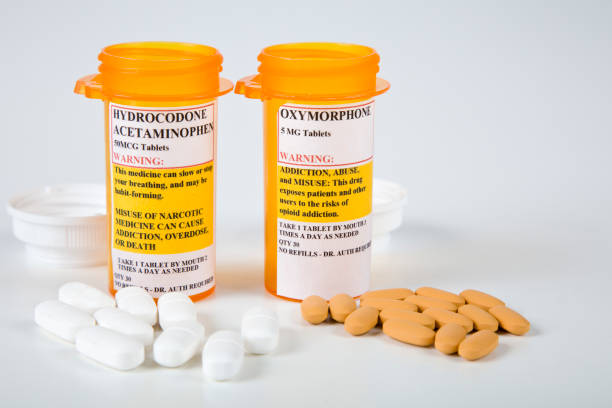
Buy Oxymorphone HCl (oxymorphone hydrochloride) is a potent semi-synthetic opioid analgesic derived from morphine (specifically, 14-hydroxydihydromorphinone). It is a full μ-opioid receptor agonist that provides strong pain relief by altering how the brain and nervous system respond to pain. It is used to manage pain severe enough to require an opioid pain medicine when other pain medicines do not treat pain well enough, or are not tolerated.
Oxymorphone tablets are used to manage short-term (acute) pain. Oxymorphone extended-release tablets are used to manage severe and persistent pain that requires an extended treatment period with a daily opioid pain medicine.
Oxymorphone is a full opioid agonist and is relatively selective for the mu-opioid receptor, although it can bind to other opioid receptors at higher doses. It provides analgesia with no ceiling effect, meaning doses are limited only by adverse effects like respiratory and CNS depression. Its precise analgesic mechanism is unknown, but CNS opioid receptors throughout the brain and spinal cord are believed to be involved.
Oxymorphone first gained FDA approval on April 2, 1959.
Oxymorphone is only available as a generic as the brand names Opana, Opana ER and Numorphan have been discontinued.
Buy Opana Online
Oxymorphone HCl is the active ingredient in Opana.
- Opana refers to the immediate-release (IR) tablets (typically 5 mg or 10 mg).
- Opana ER was the extended-release formulation (various strengths: 5–40 mg).
Opana ER was approved in 2006 but reformulated in 2012 to make it abuse-deterrent (harder to crush/snort/inject). However, the reformulation was linked to a shift in abuse patterns toward injection, contributing to outbreaks of HIV and hepatitis C (e.g., in Indiana). The FDA requested its withdrawal in 2017 because the public health risks of abuse outweighed benefits, and the brand was discontinued. Generic oxymorphone IR and ER tablets remain available in some markets, but availability and prescribing are heavily restricted due to the opioid crisis.
Oxymorphone HCl is the generic/chemical name, while Opana is (or was) the primary brand.
What is the drug Opana used for?
- Management of moderate to severe acute or chronic pain when other treatments are inadequate or not tolerated.
- Not for as-needed (PRN) mild pain, acute postoperative pain (unless already on opioids), or short-term use.
- Reserved for around-the-clock treatment in opioid-tolerant patients for ER forms.
How do I Take Oxymorphone
When taking oxymorphone, do not change your dose. Take oxymorphone exactly as prescribed by your healthcare provider. Use the lowest dose possible for the shortest time needed.
Oxymorphone Extended-Release Tablets
Do not take more than your prescribed dose in 12 hours. If you miss a dose, take your next dose at your usual time.
Your healthcare prescriber will prescribe the lowest effective dosage for the shortest duration of time consistent with individual patient treatment goals
Take your prescribed dose twice daily (every 12 hours) at the same time every day.
Swallow oxymorphone extended-release tablets whole. Do not cut, break, chew, crush, dissolve, snort, or inject oxymorphone extended-release tablets because this may cause you to overdose and die.
Oxymorphone extended-release tablets should be taken 1 tablet at a time. Do not pre-soak, lick, or wet the tablet before placing it in your mouth to avoid choking on the tablet.
Administer on an empty stomach at least 1 hour before food or 2 hours after food.
Important: Take IR or ER on an empty stomach (1 hour before or 2 hours after meals) for optimal absorption.
Doses must be individualized. Reduce in elderly, hepatic/renal impairment. Never crush/chew ER tablets. Taper gradually to avoid withdrawal.
Common Side Effects
- Frequent: Constipation, nausea/vomiting, dizziness, drowsiness/somnolence, headache, pruritus (itching), dry mouth, sweating.
- Serious: Respiratory depression (especially initial doses or with other CNS depressants), hypotension, addiction/dependence, overdose (coma, death).
Overdose and Dependence
- Overdose: Pinpoint pupils, respiratory depression, cold/clammy skin, coma. Treat with naloxone.
- High abuse potential; crushing/snorting/injecting IR or old ER formulations was common.
- Withdrawal symptoms: Anxiety, restlessness, muscle aches, insomnia, diarrhea, etc. (taper slowly).
Frequently Asked Questions
- Is oxymorphone stronger than oxycodone/morphine? Yes, more potent (roughly 2:1 vs. oxycodone, 3:1 vs. morphine orally). Effects can feel more sedating for some. baartprograms.com
- Why was Opana ER discontinued? FDA requested withdrawal in 2017 due to abuse risks (injection after reformulation led to disease outbreaks). Generics still exist.
- How long does it stay in your system? Half-life 7–11 hours; detectable in urine for 1–3+ days (longer with chronic use or hair tests).
- Can it be abused or is it addictive? Yes, high risk, like other strong opioids. It produces euphoria and has been a street drug.
- Side effects compared to others? Similar opioid profile but possibly more constipation, itching, or fever in some users. Low CYP interactions are an advantage.
- Is it still prescribed? Yes, but rarely and cautiously due to regulations. Only when benefits outweigh risks.
- Difference between IR and ER? IR for breakthrough/acute; ER for continuous chronic pain. ER must not be crushed.
Buy oxymorphone | buy opana online
Reviews
There are no reviews yet.