
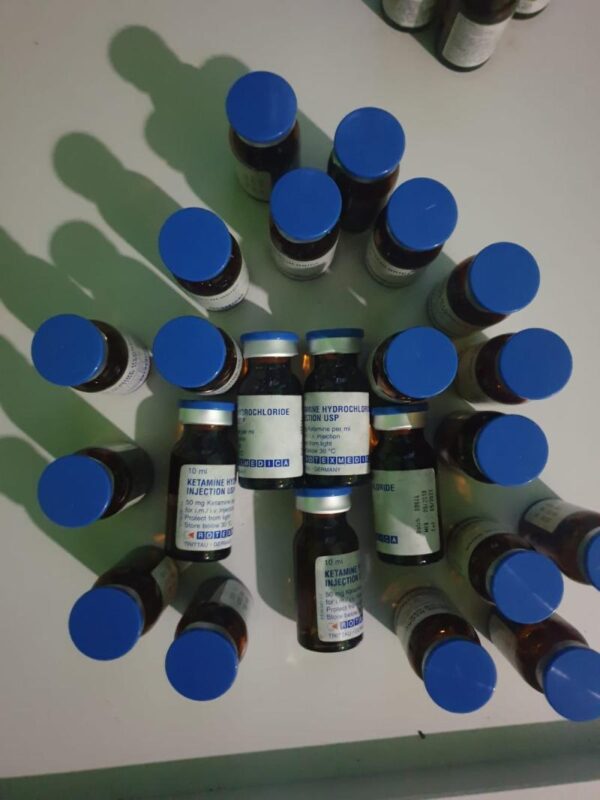
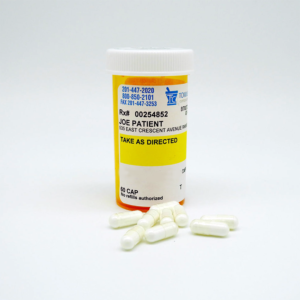
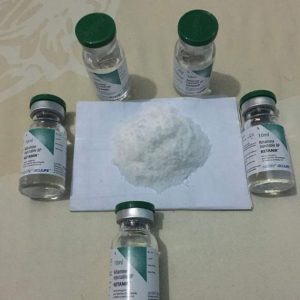
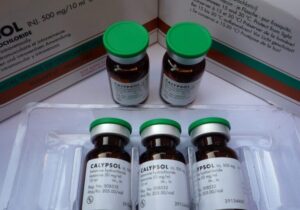
Ketamine Rotex (or Ketamine Hydrochloride Rotexmedica) is a brand of injectable ketamine hydrochloride produced by Rotexmedica GmbH Arzneimittelwerk, a German pharmaceutical company specializing in injectables like anesthetics, narcotics, and hormones. It is typically supplied as a 50 mg/ml solution in 10 ml vials for intramuscular (IM) or intravenous (IV) use.
This is a racemic (mixture of S- and R-enantiomers) formulation of ketamine, a well-established dissociative anesthetic. It is not a unique compound but a branded version of standard ketamine hydrochloride, often marketed or discussed in contexts involving medical supply, veterinary use, or (illegally) recreational sourcing.
What Is Ketamine (the Active Substance)?
Ketamine is a cyclohexanone-derived NMDA receptor antagonist with analgesic, sedative, hallucinogenic, and (at low doses) antidepressant properties. It was first synthesized in 1962 as a safer alternative to phencyclidine (PCP) and approved for medical use in the US in 1970. It is on the WHO List of Essential Medicines.
en.wikipedia.orgKey pharmacological profile:
- Mechanism of action: Primarily non-competitive antagonism of NMDA (glutamate) receptors in the CNS, leading to dissociation (a trance-like state with analgesia, amnesia, and sensory detachment). It also affects opioid receptors, monoamine transporters, and other pathways (e.g., HCN1 channels). Antidepressant effects likely involve BDNF (brain-derived neurotrophic factor) signaling, synaptogenesis, and broader glutamatergic modulation, effects that outlast the drug’s presence in the body.
- Pharmacokinetics (approximate):
- IV bioavailability: ~100%; IM: ~93%.
- Onset: IV seconds to minutes; IM 3–5 minutes.
- Duration: Anesthetic doses 5–15+ minutes (redosing often needed); subanesthetic effects longer.
- Half-life: Ketamine ~2.5–3 hours; active metabolite norketamine ~12 hours.
- Metabolism: Liver (CYP3A4, CYP2B6) → norketamine and other metabolites; excreted mainly in urine.
Medical uses:
- Anesthesia: Sole agent for short procedures not requiring muscle relaxation (e.g., emergency, trauma, pediatrics, field medicine). Preserves airway reflexes and breathing better than many anesthetics; stimulates cardiovascular system (useful in hypotensive/shock patients). Widely used in veterinary medicine.
- Pain management: Sub-dissociative doses (e.g., 0.1–0.4 mg/kg IV) for acute/chronic/neuropathic pain, often opioid-sparing. Effective in emergency departments and perioperative settings.
- Treatment-resistant depression and suicidality: Low-dose IV infusions or (for esketamine, the S-enantiomer) nasal spray (Spravato). Rapid onset (hours) but effects often temporary; racemic ketamine may have stronger/longer effects than esketamine in some studies. Off-label use is common but requires careful monitoring.
- Other/emerging: Status epilepticus (refractory), severe asthma (bronchodilation), PTSD/anxiety (investigational).
Typical dosing
- Anesthetic induction (adults): IV 1–4.5 mg/kg (avg. 2 mg/kg) slow push; IM 6.5–13 mg/kg.
- Maintenance: Half induction dose repeated or infusion.
- Sub-dissociative (pain/depression): Lower doses (e.g., 0.5 mg/kg IV over time).
Side effects and risks:
- Common (anesthetic doses): Dissociation/hallucinations (“K-hole”), emergence delirium (dreams, confusion—mitigated by benzodiazepines), increased blood pressure/heart rate, salivation, nausea/vomiting, nystagmus, tonic-clonic movements.
- Subanesthetic: Milder dissociation, dizziness, drowsiness, blurred vision, euphoria.
- Serious: Respiratory depression (rare, usually with rapid/high dosing or combos), hypertension (contraindicated in uncontrolled cases), liver/urinary toxicity with chronic high-dose abuse (cystitis, “ketamine bladder”), cognitive issues with heavy recreational use.
- Long-term/recreational: Addiction potential (moderate-high), tolerance, urinary tract damage, possible cognitive deficits.
Contraindications (key ones):
- Conditions where BP elevation is hazardous (severe hypertension, unstable angina, etc.).
- Known hypersensitivity.
- Severe liver disease, poorly controlled psychosis, pregnancy (generally avoided).
- Caution in head injury (though recent views are more nuanced), infants <3 months.
Legal status: Schedule III in the US (controlled but medical use allowed); varies by country (often prescription-only or stricter). Recreational use is illegal and carries risks of adulteration when sourced illicitly.
Specifics on Rotexmedica Brand
- It is pharmaceutical-grade injectable ketamine, often 50 mg/ml in multi-dose vials.
- Available in various markets (e.g., via medical suppliers in regions like the Caribbean, Europe, or through international pharmacies).
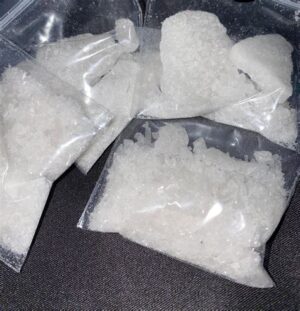
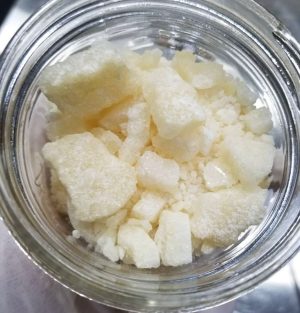
- Discussions in user forums (e.g., Reddit) sometimes note variability in appearance/texture of illicitly obtained “Rotex” or similar branded product, possibly due to sourcing or formulation differences, but legitimate medical product should be clear/sterile.
Reviews
There are no reviews yet.