What if patients with treatment-resistant depression (TRD) could be treated at home, with a ketamine tablet? A 12-week international trial tested this possibility using a new extended-release ketamine formulation (R-107) in outpatient settings (Glue et al, 2024). Here’s the complete breakdown of the study and how it could shape safer, more scalable treatment options for patients who don’t respond to standard antidepressants. 231 adults with treatment-resistant depression (TRD) entered a 5-day open-label phase. Those who responded continued twice-weekly tablet treatment for 12 weeks, primarily at home. The goal: test efficacy, safety, and real-world feasibility of oral ketamine. Does the dose matter? Absolutely. Only the 180 mg dose showed statistically significant and sustained improvement in depressive symptoms. Lower doses were comparable to placebo, indicating a clear dose-response threshold. Relapse rates over 12 weeks were lower in the 180 mg group, suggesting potential for maintenance treatment. This adds weight to the case for ketamine as both an acute and continuation-phase option in TRD. This was the first ketamine trial to permit home administration during the treatment phase. Adherence was high. No serious adverse events occurred. This marks a turning point in how we might deliver care for TRD. Across all dose groups: ● Adverse events were predominantly mild ● Headache, dizziness, and anxiety were the most common ● No cases of hypertension, dissociation, or sedation requiring intervention Safety was unexpectedly strong for a glutamatergic agent. R-107 Differs from Esketamine in Formulation and Mechanism, this is not esketamine. R-107 is a racemic ketamine tablet designed to deliver gradual absorption and prolonged exposure, minimizing peaks that may cause dissociation or misuse. A pharmacokinetic shift with clinical relevance. Can this be used broadly? Not yet. Participants were enriched, only those with a rapid initial response continued in the trial. This limits generalisability. It remains unclear how unselected TRD populations would respond to this intervention. Compared to intranasal esketamine or ECT, oral ketamine may offer: ● Greater scalability ● Less intensive monitoring ● Potential for community-based protocols But only if larger trials replicate these findings. If replicated, this approach could reduce: ● Clinical burden ● Logistical barriers ● Patient disengagement due to complexity Home-based options offer a new paradigm for sustained care. What remains unknown? ● Durability beyond 12 weeks ● Long-term neurocognitive effects ● Effectiveness in broader clinical populations This is a promising proof of concept, not yet a clinical standard. Clinical Importance For patients unresponsive to multiple antidepressants, options are limited. If further validated, oral ketamine may represent a viable outpatient pathway, extending care access while reducing infrastructure demands. Could this be the future of TRD care? A well-tolerated, at-home intervention for a complex psychiatric condition. This study opens the door, but the field must proceed cautiously, grounded in replication and long-term outcome data.
Ketamine And Memantine
Memantine and ketamine are not the same. Yes, they are both NMDA receptor antagonists. But that shared label often obscures major differences in affinity, binding duration, receptor specificity, and clinical effects. The key point here is that receptor labels can be too broad. Two drugs can act at the same receptor system and still behave very differently. Memantine modulates excessive NMDA activity while preserving normal signalling. Ketamine produces a broader NMDA blockade with a different clinical profile. Let’s start with memantine’s receptor behaviour. Memantine is a low-affinity, voltage-dependent, non-competitive NMDA receptor antagonist. That combination matters because memantine is not designed to erase glutamate signalling. It is designed to limit excessive NMDA activity. Glutamate is essential for the brain. It supports: The problem is not glutamate itself. The problem is prolonged NMDA receptor activation and sustained calcium influx. Memantine works at that point of excess. When glutamatergic activity is excessive, memantine antagonises prolonged calcium influx through the NMDA channel. But during normal physiological signalling, it can dissociate, normal transmission can continue, location sharpens the mechanism. Synaptic NMDA receptor activation is linked with neuronal health. Chronic extrasynaptic NMDA receptor activation is linked with neurotoxicity. Memantine preferentially inhibits extrasynaptic NMDA receptors. That is the key memantine profile: This is why its mechanism is closer to selective modulation than blunt blockade. Ketamine behaves differently. It inhibits both synaptic and extrasynaptic NMDA receptors. It is also less selective for NMDA receptors, with activity at muscarinic, monoaminergic, and opioid receptors. That broader receptor footprint changes the clinical picture. Binding duration adds the final distinction. Memantine has a favourable off-rate from the NMDA receptor channel. Too slow, and it could accumulate and interfere with normal neurotransmission. Too fast, and it may be ineffective. Ketamine binds to NMDA receptors for longer periods than memantine. That longer binding is linked with more persistent effects on pain and antidepressant activity. It may also help explain ketamine’s higher sedative and psychotomimetic effects. Memantine is not simply a ‘weaker’ ketamine. Its profile depends on: Same receptor label. Different pharmacology. For more evidence-based psychiatry insights like this, join the Psych Scene newsletter. We share clinical frameworks, research updates, diagnostic explainers, and practical resources designed to support mental health professionals in practice.
Ketamine Dissociation Mechanism
A real-world 2025 EEG study in bipolar depression patients reveals a cascade of changes across brain rhythms, complexity, and excitation-inhibition (E/I) balance. Let’s break it down: Ketamine, a dissociative compound, shows promise in treating mood disorders, including treatment-resistant depression (TRD) and bipolar disorder (BD). Despite its therapeutic potential, the neurophysiological mechanisms underlying ketamine’s effects are not fully understood. (Agnorelli, C., et al, 2025). Oscillatory activity: Ketamine reduced theta (θ), alpha (α), and low beta (β) power while increasing low gamma (γ), consistent with cortical disinhibition via NMDA antagonism on GABAergic interneurons. Translation: The brain’s usual slow, calming rhythms were dampened and fast, stimulating activity ramped up. This likely reflects a release of inhibitory control. Spectral slope flattening The slope of the EEG power spectrum above 20 Hz flattened, indicating a shift in E/I balance toward excitation. Translation: The brain’s rhythm becomes less steady and more noisy. High-frequency activity dominates, indicating a more chaotic state. Entropy and complexity Global signal entropy increased, especially in high beta and gamma bands suggesting heightened informational complexity. It decreased in slower frequencies. Translation: The brain became more unpredictable and dynamic-especially in fast-processing regions. Rhythms, slope, and entropy are linked These three metrics shift together, pointing to a shared underlying mechanism. Translation: Ketamine doesn’t just tweak one system, it rewires the whole pattern of brain communication. Dissociation effects unclear: EEG changes did not consistently correlate with CADSS-measured dissociation; some weak associations (e.g., δ power and derealisation) were not robust. Translation: While the brain clearly shifts, our current dissociation scales may miss what patients are actually experiencing under ketamine. Ketamine pushes the brain into a globally excited, complex, high-frequency state. This may be key to both its antidepressant effects and its strange, dissociative experience, but our tools to measure the latter might need rethinking. Time course matters: The acute, transient excitatory shift may support antidepressant effects, but sustained over-excitation is not adaptive (insomnia, anxiety, mood elevation). In bipolar depression, activation risk is higher. Monitor for hypomania/mania, agitation, and sleep reduction; consider spacing doses and ensuring mood-stabiliser cover. Buy Ketamine | Ketamine dissociation mechanism | Buy Spravato
Candy Flipping (LSD+MDMA)
Candy flipping (candyflipping) is the practice of combining LSD (lysergic acid diethylamide, or “acid”) with MDMA (3,4-methylenedioxymethamphetamine, known as ecstasy or molly). It is one of the most well-known “flipping” combinations in recreational drug culture, alongside others like kitty flipping (MDMA + ketamine). The term emerged in the 1980s-1990s rave and festival scenes as MDMA became widely available. “Candy” refers to the sweet, euphoric feel of MDMA, while “flipping” describes switching between or blending the psychedelic trip of LSD with the empathogenic roll of MDMA Effects: The combination produces a synergistic experience stronger than either drug alone: Duration: 8-12 + hours total, with LSD lasting longer. Effects peak intensely then taper into a long comedown. Individual experiences vary widely based on dose, set/setting, tolerance, and purity. What feels amazing for one person can overwhelm another. Harm Reduction Tips Test your drugs: Use reagent kits or festival pill-testing services (available in some Australian states). Start low and slow: Low doses of each; wait to assess effects before redosing. Set and setting: Safe, familiar environment with trusted people. Have a sober trip-sitter. Hydration and temperature, Drink water moderately (250-500 ml/hour); take cooling breaks. Avoid overheating. Avoid other mixes: No alcohol, stimulants, or depressants. Aftercare: Rest, eat nutritious food, hydrate, and allow full recovery time. Supplements like 5-HTP (after consulting a doctor) are sometimes discussed for serotonin recovery, but evidence is limited. Know emergency signs, High temperature, seizures, severe confusion, chest pain, call 000 immediately. How long does candy flipping last? Candy flipping (LSD + MDMA) typically lasts 12-24 hours for the main effects, depending on dosage, timing, individual metabolism, and tolerance. Comedown/aftereffects can last days: fatigue, mood swings, depression (“Tuesday blues” from serotonin depletion), anxiety, or insomnia. Some feel off for up to a week. what is psychedelic candy flipping? Psychedelic candy flipping is essentially the standard term for candy flipping, as it combines the classic psychedelic LSD with the empathogenic/hallucinogenic MDMA. The “psychedelic” descriptor emphasizes the strong hallucinogenic and perceptual-altering aspects from LSD, enhanced by MDMA’s euphoric and sensory-boosting effects. It is not a separate variant but highlights the trip-like experience in discussions. Candy flipping originated in 1980s–1990s rave scenes and produces a blended “psychedelic roll”, vivid visuals and altered thinking (LSD) merged with emotional warmth, empathy, and energy (MDMA). What happens when you flip a candy? “When you flip a candy” is slang for performing candy flipping, mixing LSD and MDMA. Here’s what typically happens: how does candy flip work? Candy flipping works through synergistic interaction on the brain’s serotonin system (and to lesser extents dopamine and norepinephrine)
Kitty Flipping Australia(au)
What is Kitty Flipping? Kitty flipping is a slang term for combining ketamine (often called “K” or “Special K”) with MDMA (ecstasy or Molly). This mix aims to blend MDMA’s euphoric, empathogenic “roll” (energy, emotional warmth, heightened senses) with ketamine’s dissociative, introspective, or hallucinogenic effects. How It Works Effects (Reported by Users) Kitty Flipping AU Users typically take MDMA first, then add ketamine (snorted, ingested, or sometimes pre-mixed in pills/drinks) once the MDMA effects peak. Some do them simultaneously. The goal is often an intensified high with reduced MDMA comedown, but the interaction is highly unpredictable due to variable street purity and dosing. Rise in Australia (2022–2026)Ketamine use has more than doubled nationally, per Adelaide University wastewater analysis (covering ~53% of the population from 2020–2025): Online searches for “kitty flipping au” have also risen in Australia, mirroring increased mentions and media coverage. It’s linked to party scenes, festivals, and clubs. Harm reduction tips for kitty flipping in AU Dosage Guidelines Substance Solo Dose Combo Dose Route MDMA 100–150 mg 80–120 mg Oral Ketamine 50–150 mg 15–30 per bump mg Insufflated Do not take large ketamine doses at once. The dissociation can become disorienting quickly when combined with MDMA. Small bumps, spaced 20–30 minutes apart, are the safe approach. Bladder health: Chronic ketamine use damages the bladder. Keep use infrequent. Nausea risk: Both substances can cause nausea. Ketamine on a full stomach is particularly nauseating. Eat lightly beforehand. Overheating: MDMA impairs thermoregulation. Ketamine’s anesthetic effect means you may not notice how hot you are. Be vigilant about cooling down and hydrating in club/festival settings. Coordination: Ketamine impairs motor coordination. Combined with MDMA’s stimulation, you may feel more capable than you are. Be careful on stairs, don’t drive, and watch your footing. No alcohol: Mixing ketamine with alcohol significantly increases the risk of nausea, vomiting, and respiratory depression. Do not combine. Test your substances. Reagent test MDMA, and be aware that ketamine can be adulterated. If you’re searching for buy ketamine au, kitty flipping au, ketamine for sale in Australia, Ketamine for sale Au, buy ketamine in Australia, you’re not alone, a lot of people search for these and you’ve found the right place. Other searches about Ketamine in Australia whose answers you can all find on this site, are listed below; Buy ketamine in Australia, Buy ketamine online, Buy ketamine in Australia online, ketamine for sale online, ketamine for sale Australia, kitty flipping in Australia, Kitty Flipping
Ketamine For Depression
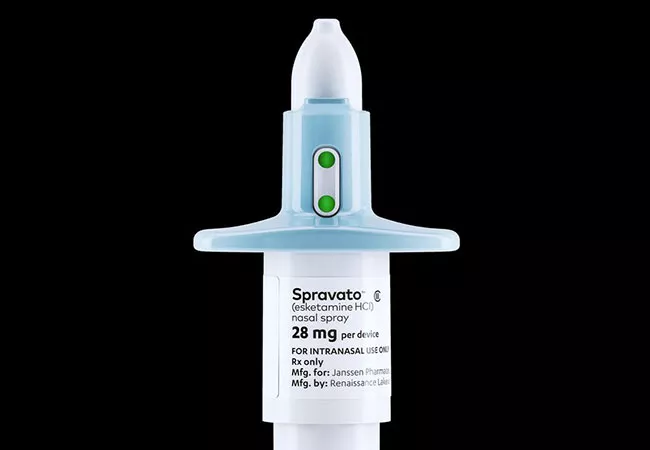
Ketamine Therapy for Depression Ketamine therapy uses low dose ketamine (originally an anesthetic) to treat major depressive disorder, especially when other antidepressants have failed. It is administered via: It is particularly popular for rapid relief many patients feel improvement within hours to days, unlike traditional antidepressants that take 4–6 weeks. How Does Ketamine Work for Depression? Ketamine works differently from SSRIs/SNRIs for depression: Key advantage: It promotes neuroplasticity (the brain’s ability to rewire itself), helping break negative thought patterns quickly. Ketamine Treatment Near Me / Ketamine Clinics No need to go searching for Ketamine treatment near me when here already, visit our shop page and select that which you need. Ketamine vs Esketamine (Spravato) Aspect IV Ketamine Esketamine (Spravato) Form Intravenous infusion Nasal spray FDA Approval Off-label for depression Approved for treatment resistant depression (2019) Effectiveness Often slightly higher response rates Very effective, but sometimes lower Speed Faster onset (hours) Slightly slower Administration Clinic setting, monitored Clinic setting (self-administered under supervision) Cost Usually cash-pay (~$400–$800/session) Often insurance covered Side Effects More dissociation possible Generally milder Bottom line: IV ketamine is frequently reported as slightly more effective and faster, while Spravato is easier to access via insurance.5. Treatment-Resistant Depression (TRD) & Ketamine shines here. Studies show: Effects typically last 1–2 weeks per treatment, so maintenance is often needed. Important Notes (2026): Ketamine for depression