

2-Fluorodeschloroketamine (2-FDCK or 2FDCK)
2-Fluorodeschloroketamine (2-FDCK or 2FDCK) is a novel dissociative research chemical and arylcyclohexylamine closely related to ketamine. It is a structural analog where the chlorine atom in ketamine is replaced by fluorine. It emerged on the online research chemical market around 2017 as a “legal” or alternative to ketamine.
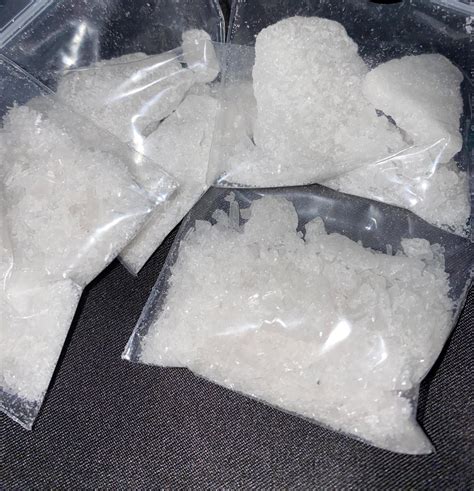
Pure 2FDCK crystals typically refer to the hydrochloride salt form, appearing as white or off-white crystalline solids or powder (the freebase is a brown oil). It is sold and discussed primarily in harm reduction and research chemical communities for its dissociative effects.
How 2 FDCK Works and Effects: It acts primarily as an NMDA receptor antagonist, similar to ketamine, producing dissociation (detachment from body/environment), analgesia, and sedation while relatively sparing respiratory function compared to some anesthetics. Effects are dose-dependent: mild intoxication at low doses, intense “K-hole”-like states at high doses.
2-FDCK Liver Clearance
2-FDCK (2-Fluorodeschloroketamine) liver clearance and metabolism occurs primarily through hepatic biotransformation in the liver, similar to ketamine but with some key differences in rate and extent.
Primary Metabolic Pathway
- Main enzymes: CYP2B6 (primary) and CYP3A4 (to a lesser extent) perform N-demethylation to form nor-2-FDCK.
- Further metabolism includes oxidation, reduction, hydroxylation, and dehydration, leading to metabolites like hydroxy-nor-2-FDCK, dehydro-nor-2-FDCK, and dihydro derivatives.
- Phase II: N-glucuronidation of the N-dealkylated metabolites for excretion.
Metabolites (e.g., nor-2-FDCK) are detectable longer than the parent compound and serve as biomarkers in forensic/toxicological testing. It is unknown if they are psychoactive.
Clearance and Half-Life Data
- In vitro (human liver microsomes): Half-life ≈ 69.1 minutes (±13.1 min); intrinsic clearance rate 9.2 mL/min/kg (±1.7). This suggests relatively slow hepatic metabolism compared to ketamine. cdn.who.int
- In vitro-to-in vivo extrapolation (IVIVE): 2-FDCK shows lower intrinsic hepatic clearance than ketamine. Hepatic clearance ranking from studies: Ketamine > Norketamine ≈ 2-FDCK > Methoxetamine > Deschloroketamine, more.
- Lower protein binding (unbound fraction fu ≈ 0.54–0.79) and lower lipophilicity than ketamine, which can influence distribution and elimination. cdn.who.int
Animal (rat) data (not directly translatable to humans):
- Elimination half-life of 2-FDCK: 0.20 h (low dose) to 1.07 h (high dose).
- Nor-2-FDCK (metabolite): longer, 1.51–5.01 h.
- Parent compound often undetectable in blood by ~8 hours, metabolite longer. facebook.com
Human data on exact plasma half-life is limited (no large clinical trials), but user reports and the slower in vitro clearance suggest longer duration of effects than ketamine, consistent with oral routes lasting 2.5–5+ hours.
Factors Affecting Clearance
- Individual variation: Liver function (CYP2B6/3A4 activity), genetics, age, sex, concurrent medications (inhibitors/inducers of these CYPs), and tolerance.
- Chronic/heavy use: Potential for accumulation or enzyme effects; associated with urinary tract damage (cystitis-like symptoms) and other risks.
- Route matters: Oral may involve more first-pass metabolism; insufflated bypasses some initial hepatic processing.
Common Subjective Effects (user-reported):
- Dissociation, derealization/depersonalization, euphoria or tranquility.
- Motor control loss, dizziness, numbness/tingling.
- Internal hallucinations, time distortion, conceptual thinking.
- Pain relief, sedation.
- Some report longer duration and more “psychedelic” or confusing elements than ketamine.
Duration (approximate, varies):
- Insufflated (snorted): Onset 1-3 min, total 1.5-3 hours.
- Oral: Onset 15-50 min, total 2.5-5+ hours (often reported stronger/longer).
Dosage (User-Reported — Use Extreme Caution)From sources like PsychonautWiki (start low due to variability, tolerance, and sensitivity):
- Oral: Threshold ~5 mg; Light 10-25 mg; Common 25-70 mg; Strong 70-140 mg; Heavy 140+ mg.
- Insufflated: Threshold ~5 mg; Light 10-45 mg; Common 45-100 mg; Strong 100-175 mg.
Tolerance builds quickly and cross-tolerates with other dissociatives. Redosing is common but increases risks.
Side Effects and Risks Common:
- Hypertension, tachycardia, nausea, dizziness, agitation, hallucinations, confusion, motor impairment. ecddrepository.org
Serious:
- Respiratory depression (especially mixed with other drugs).
- Emergence reactions, anxiety, or “bad trips.”
- Urinary tract damage (“ketamine cystitis” symptoms: frequent/urgent/painful urination, blood in urine) — less than ketamine but still a risk with heavy use.
- Psychological dependence; withdrawal possible.
- Overdose/intoxication cases involving impaired consciousness, combativeness.
Long-term: Potential cognitive issues, bladder/kidney problems with frequent use. Fatalities reported, often polydrug.
2 FDCK Harm Reduction
- Test substances (Reagent kits, FTIR if available).
- Weigh accurately; use volumetric dosing.
- Start very low; have a sober sitter; safe environment.
- Avoid driving/activities requiring coordination.
- Stay hydrated but monitor urinary symptoms.
- Space use (weeks/months apart) to avoid tolerance and organ damage.
Most Frequently Asked Questions about 2FDCK
- Is 2FDCK the same as ketamine? No, it’s an analog. Effects are similar but often described as longer-lasting, sometimes more confusing or “dreamy,” with potentially different potency and duration. psychonautwiki.org
- What does pure 2FDCK crystals look like / how to identify? White/off-white crystals or powder. “Pure” is subjective in RC markets, lab testing needed for confirmation. Impurities common. cdn.who.int
- Best ROA (route of administration)? Oral often preferred for smoother, longer effects; insufflation faster but harsher and shorter. Some explore others but higher risk. reddit.com
- Dosage for beginners / how strong is it? See above, much lower than casual ketamine users might expect. Individual variation high.
- How long do effects last / when does it kick in? Varies by ROA; oral slower but prolonged.
- Is it good for depression? Some anecdotal reports of antidepressant-like effects (similar to ketamine research), but unproven, risky, and not a treatment. Clinical interest exists but not approved.
- Is it addictive / safe for frequent use? Moderately addictive potential (comparable to ketamine in animal studies). Frequent use leads to tolerance, bladder issues, and dependence. onlinelibrary.wiley.com
- Where to buy / is it pure? Not answered here, sourcing unregulated RCs is illegal in many places and highly risky (scams, adulteration, law enforcement).
- Side effects or bad experiences? Common searches on emergence delirium, urinary pain, or “K-hole” intensity. Many report positive dissociation but warn of overdoing it.
Reviews
There are no reviews yet.